Radon Guide Blog
How to Use a DIY Radon Test Kit in York County
A DIY radon test kit is the cheapest way to find your number in York County. Here is how to place it, what to avoid, how long to wait, and how to read the lab result.
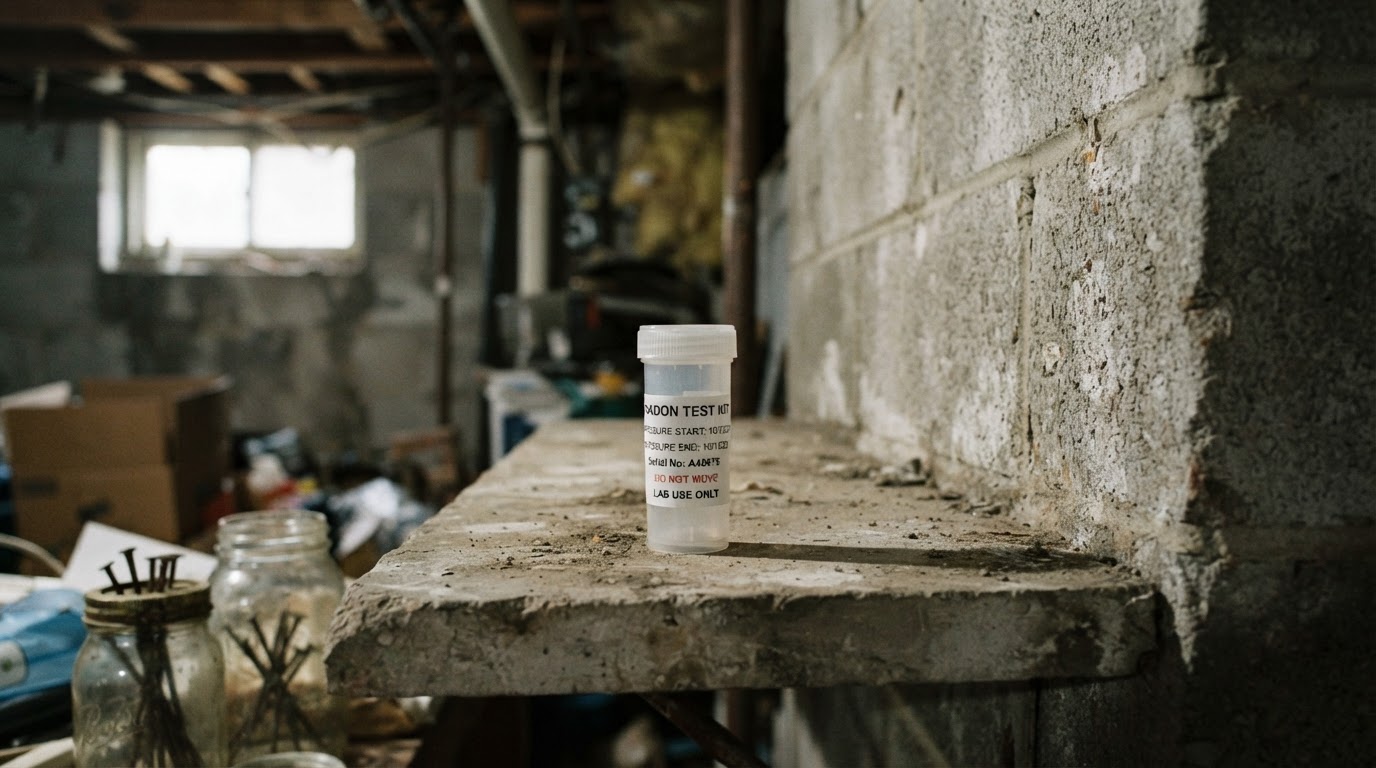
Why a DIY kit is a good first step
A DIY short-term radon test kit is an inexpensive, reasonable first step if you have never tested your York County home. Kits typically cost $15 to $30 at hardware stores or online, sit in your home for a few days, and then mail to a lab for results.
Because radon varies house to house even on the same street, a kit gives you your home's actual number instead of a guess based on your zip code. That single piece of information tells you whether mitigation is even worth thinking about.
Choosing the right room
Placement matters a lot. For a short-term test, you want the lowest livable level of the home where you spend time, which for many York County homes is a basement family room or the lowest level used regularly. Follow the kit's instructions, but the general principles are:
- Place the kit in a living area, not a kitchen, bathroom, laundry room, or crawlspace.
- Keep it away from drafts, exterior walls, and direct sunlight.
- Put it roughly breathing height or a couple of feet off the floor, per the kit's guidance.
- Do not place it near a sump pit, floor drain, or open dirt area.
Conditions that skew a result
A few things can throw off a short-term reading, and knowing them helps you trust your result:
- Closed-house conditions are usually required for 12 hours before and during the test, meaning windows stay shut and exterior doors are used only for normal entry and exit.
- Running whole-house fans, open windows, or fireplaces can dilute or alter the reading.
- Extreme weather, like heavy storms or high winds, can temporarily affect levels.
Most short-term kits run 2 to 7 days. Mark your start and end dates, and mail the kit to the lab promptly after the test ends so the sample stays valid.
Reading your lab result
The lab returns a number in pCi/L, picocuries per liter. Compare it to the EPA action level of 4.0 pCi/L. At or above that number, mitigation is recommended. Many homeowners also consider action between 2 and 4 pCi/L.
Remember a short-term test is a snapshot. If your result is borderline or you tested in a cold, closed-up week, a long-term test of 90 days or more gives a better sense of your average exposure before you invest in a system.
When a DIY kit is not enough
A DIY kit is a great starting point, but it is not always the final word. For a real estate transaction in York, PA, lenders and buyers usually require a professional test from a PA DEP-certified tester, because the result needs to come from a disinterested, certified party.
If your DIY result comes back elevated, the next step is usually a confirmatory test and then, if the number holds, contacting PA DEP-certified mitigators through the state directory.
Quick answers
Frequently asked
How accurate are DIY radon test kits?
When placed correctly and mailed promptly, short-term DIY kits are reasonably accurate for a first reading. Their limitation is that they capture a brief snapshot, so a borderline result is worth confirming with a long-term test or professional testing.
Does Pennsylvania offer free test kits?
Pennsylvania and some county health departments have offered free or low-cost test kit programs at various points, but availability changes. Check current offerings through PA DEP or your county health office rather than assuming a program is active.
Our York, PA team put this article together for local homeowners in York and York County. Always verify contractor certification with PA DEP before hiring.
Next steps for York, PA homeowners
- 1
Test if you have not already. A short-term kit or a professional test is the starting point, not a guess based on your neighbor's result.
- 2
Confirm your result. Know your actual number before deciding on next steps.
- 3
If elevated, contact PA DEP-certified mitigators. Use the state directory, not a general contractor search.
- 4
Retest after work is completed. A finished install should come with a follow-up test that confirms the fix actually worked.