Radon Guide Blog
Radon and Real Estate Transactions in York, PA
Radon comes up often in Pennsylvania home sales. Here is how testing, negotiation, and mitigation typically work during a York, PA real estate transaction, and what buyers and sellers should expect.
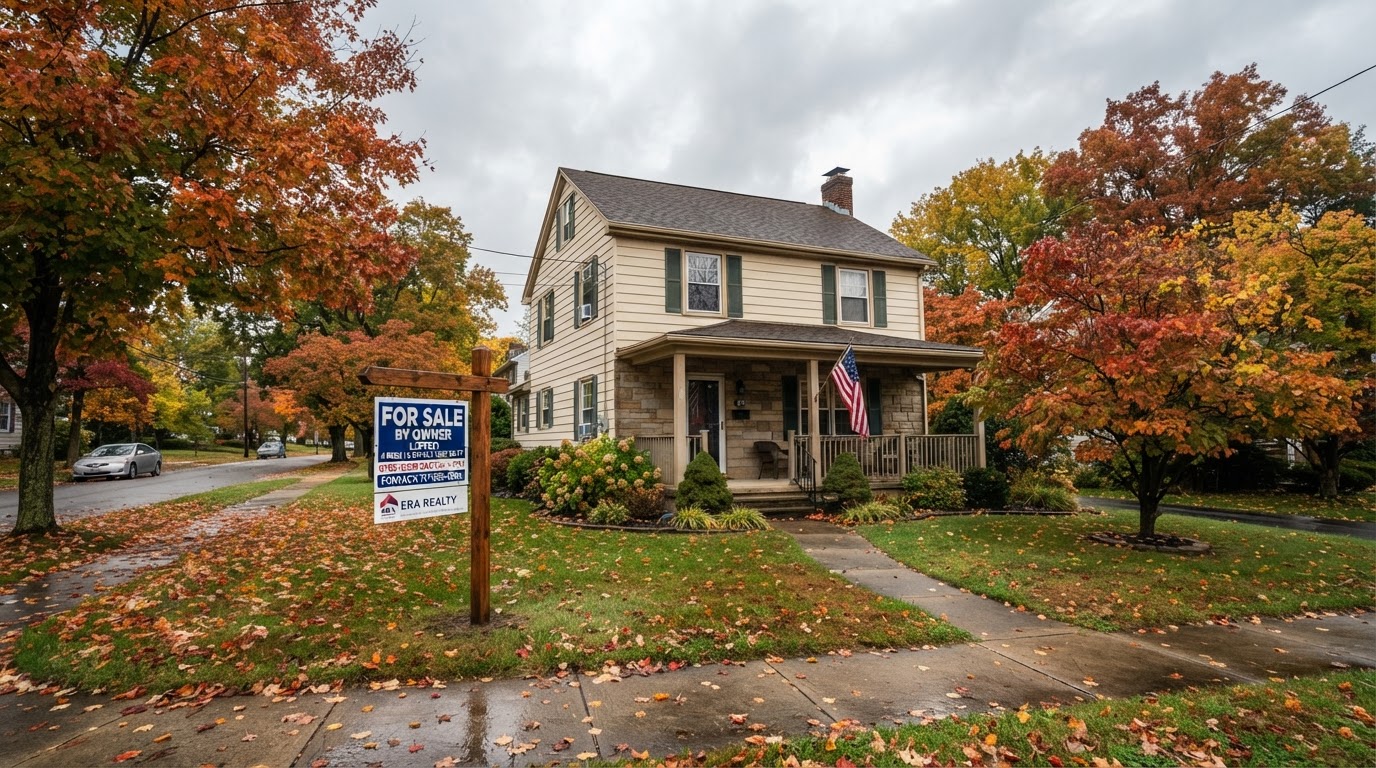
Why radon shows up in York, PA home sales
Radon comes up often in Pennsylvania home sales because Pennsylvania is widely recognized as a state where elevated indoor radon shows up in homes at meaningfully higher rates than the national average. Buyers frequently test during the inspection period, and if the result comes back elevated, mitigation becomes something both sides have to address.
For homes in York, PA and York County, this means a radon test is a normal part of many transactions, not an unusual request. Knowing the process in advance helps both buyers and sellers avoid surprises near closing.
How testing usually works during a transaction
During the inspection period, a professional radon test is usually the standard buyers and lenders expect. A PA DEP-certified tester places and retrieves the equipment and provides documented results, which both sides can trust because the test was not handled by an interested party.
Short-term tests, typically a few days, are common during transactions because of the timeline. The result is compared to the EPA action level of 4.0 pCi/L to decide whether mitigation is warranted.
Who pays for mitigation, and how it gets negotiated
There is no single rule for who pays. If the result comes back elevated, mitigation is sometimes negotiated as a condition of the sale in one of a few ways:
- A seller credit at closing, where the buyer receives funds toward a system they choose and control.
- Work completed before closing, where the seller hires a certified mitigator and the system is installed prior to transfer.
- A price reduction that reflects the expected cost of mitigation.
Which option makes sense depends on the contract, local customs, and what both sides prefer. The key is getting any agreement in writing with a clear, certified contractor and a defined scope of work.
Insurance and the cost picture
Standard homeowners insurance policies usually do not cover radon mitigation. Radon is generally treated as an environmental condition rather than sudden damage, so confirm the specifics with your own carrier rather than assuming either way.
For budgeting, typical residential mitigation in the Pennsylvania market is often discussed in the range of roughly $800 to $2,200. The exact number depends on the home's foundation, the radon level, and the system complexity, which is why a written scope from a certified contractor matters more than a phone quote.
What to ask for in the contract
Whether you are the buyer or the seller, a few specifics keep a radon contingency from becoming a closing-day problem:
- A defined test result threshold (commonly the EPA action level of 4.0 pCi/L) that triggers mitigation.
- A certified mitigator requirement, verifiable through the PA DEP Radon Services Directory.
- A written scope of work and a total price, not a vague estimate.
- Confirmation that post-installation retesting is included so the system is proven to work before the matter is closed.
Quick answers
Frequently asked
Can a buyer back out over a high radon test?
It depends on the contract and any inspection contingency. A radon contingency typically gives the buyer a path to renegotiate or walk if the result exceeds an agreed threshold, often the EPA action level of 4.0 pCi/L. Review your specific contract language with your agent.
Should a seller install a system before listing?
Not usually. Pre-testing can be useful information, but installing a system before you know whether a buyer's test will even be elevated is often unnecessary. Many sellers wait for the inspection-period result and negotiate from there.
Our York, PA team put this article together for local homeowners in York and York County. Always verify contractor certification with PA DEP before hiring.
Next steps for York, PA homeowners
- 1
Test if you have not already. A short-term kit or a professional test is the starting point, not a guess based on your neighbor's result.
- 2
Confirm your result. Know your actual number before deciding on next steps.
- 3
If elevated, contact PA DEP-certified mitigators. Use the state directory, not a general contractor search.
- 4
Retest after work is completed. A finished install should come with a follow-up test that confirms the fix actually worked.