Radon Guide Blog
Why Radon Levels Rise in Pennsylvania Winters
Radon readings in York, PA often climb in colder months. Here is why seasonal radon fluctuates, what it means for your test, and when to test for the most useful result.
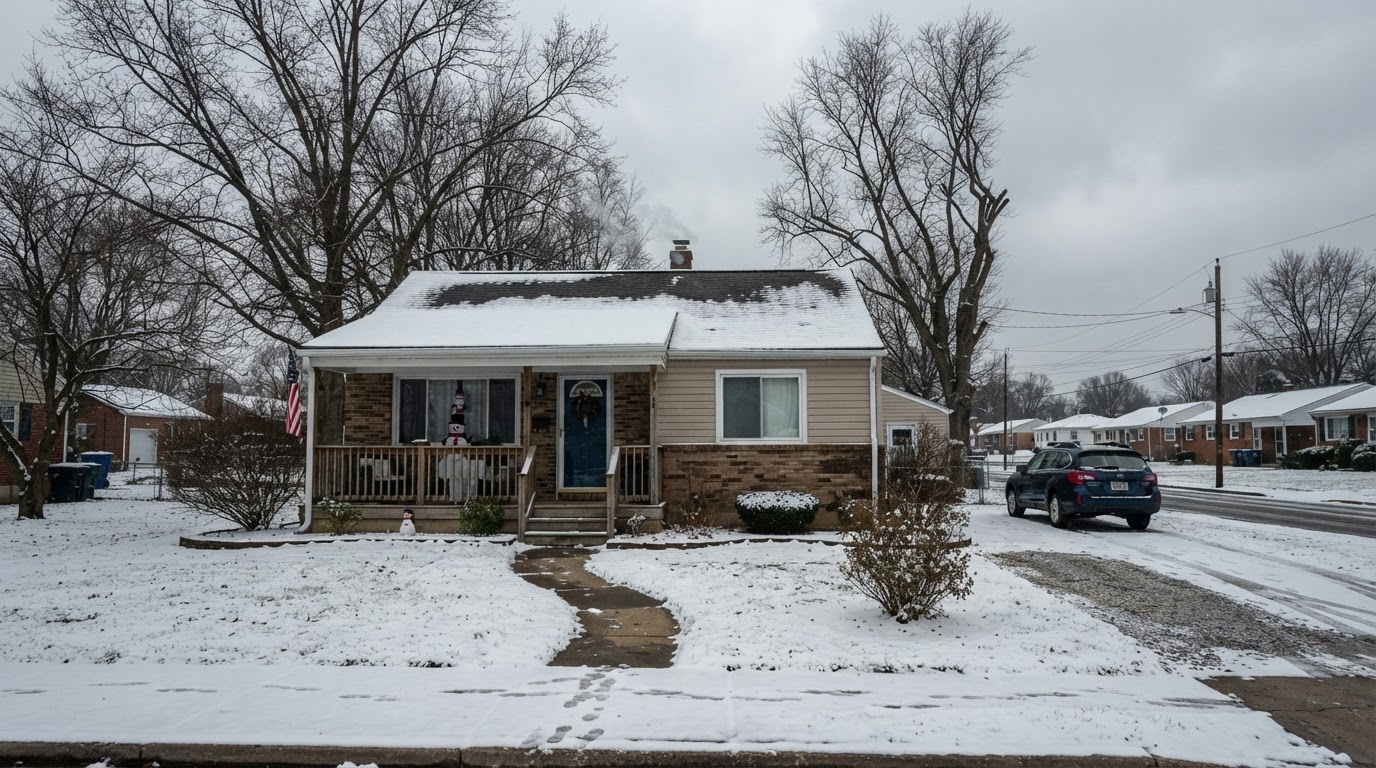
Radon is not constant year-round
Radon readings in your York, PA home are not a fixed number. They shift with the seasons, and in Pennsylvania those shifts tend to push levels higher during colder months, generally fall through winter. Understanding why helps you interpret a test result instead of over- or under-reacting to a single reading.
What drives seasonal radon up in winter
A few factors converge during cold weather to raise indoor radon:
- Homes are sealed up tighter, so less outdoor air dilutes the gas that seeps in.
- Heating systems and stack effect, warm air rising and pulling replacement air up from the soil, draw more soil gas indoors.
- Frozen or snow-covered ground can change how gas moves through soil and into the foundation.
The stack effect is the big one. As warm indoor air rises and escapes through the upper part of the house, the lower levels draw in air from the soil beneath the home, and that soil air carries radon.
What this means for your test
A short-term test in winter often shows a higher reading than the same home tested in summer. That does not mean the home is fine in summer and dangerous in winter; it means a single cold-weather snapshot may sit above your true long-term average.
- If you test in winter and get an elevated result, it is worth taking seriously, but a confirmatory long-term test can clarify your average exposure before you commit to a system.
- If you test in summer and get a low result, do not assume winter will be the same. A single warm-weather reading can understate colder-month levels.
- A long-term test spanning multiple seasons gives the most representative picture of your actual exposure.
When is the best time to test in York, PA?
There is no bad time to test, because any result is more useful than a guess. But for the most conservative reading, testing during a closed-up heating season captures the conditions most likely to produce your home's higher levels. If that result comes back low, you can be more confident year-round.
If a winter test is borderline, following up with a long-term test that crosses into spring or summer balances the picture. The goal is a number you can trust, not a single season's snapshot.
After mitigation, seasons matter less
A properly installed mitigation system is designed to keep radon low across seasons by actively pulling soil gas away before it enters, regardless of the stack effect. That is why post-installation retesting is the real proof the system works. Even so, a periodic retest every couple of years confirms the system is still doing its job as your home ages.
Quick answers
Frequently asked
Is radon only a winter problem?
No. Radon is present year-round, but levels tend to run higher in colder months when homes are sealed tighter and heating systems draw in more soil gas. Summer levels are not automatically safe, which is why a single warm-weather test can understate colder-season exposure.
Should I wait for winter to test?
Not necessarily. Any test is more useful than guessing. A winter test gives a conservative, closed-up reading, while a long-term test spanning seasons gives the most representative average. If you get an elevated result anytime, confirm it and consult a certified mitigator.
Our York, PA team put this article together for local homeowners in York and York County. Always verify contractor certification with PA DEP before hiring.
Next steps for York, PA homeowners
- 1
Test if you have not already. A short-term kit or a professional test is the starting point, not a guess based on your neighbor's result.
- 2
Confirm your result. Know your actual number before deciding on next steps.
- 3
If elevated, contact PA DEP-certified mitigators. Use the state directory, not a general contractor search.
- 4
Retest after work is completed. A finished install should come with a follow-up test that confirms the fix actually worked.