Radon Guide Blog
What an Elevated Radon Result Means for Your York, PA Home
Your York, PA radon test came back high. Here is what that number actually means, what it does not mean, and the realistic next steps before you spend a dollar on mitigation.
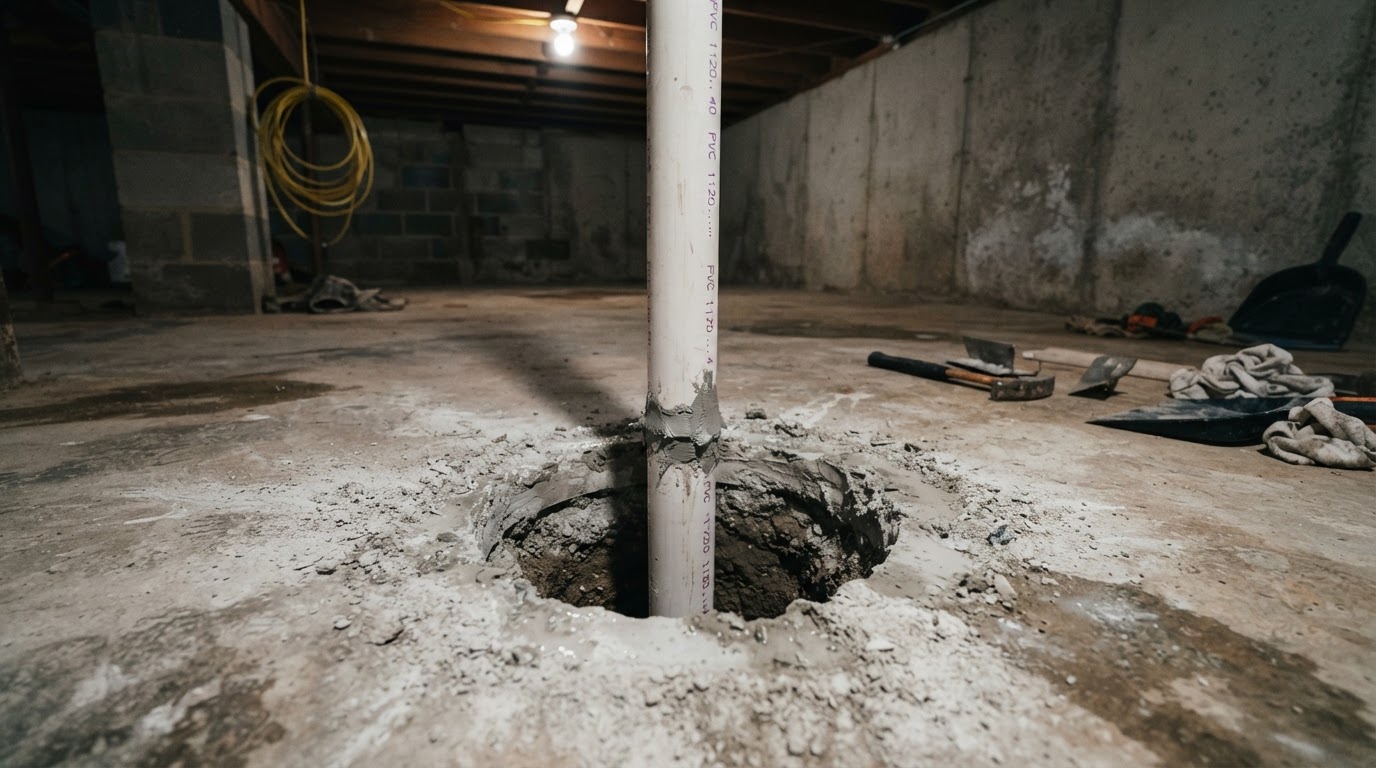
A high result is a flag, not an emergency
Getting an elevated radon reading in your York, PA home is worth taking seriously, but it is not a reason to panic. Radon is a naturally occurring gas, and Pennsylvania is widely recognized as a state where elevated indoor radon shows up often enough that testing is a normal, sensible step for homeowners, not an overreaction.
An elevated result tells you one thing: your home's indoor radon level is at or above the point where action is recommended. It does not tell you anything is wrong with your house structurally, and it does not mean your neighbors have a problem, since radon varies property to property even on the same street.
Reading your number against the EPA action level
The EPA sets 4.0 pCi/L as its action level. At or above that number, mitigation is recommended. Many homeowners and some professionals also consider action between 2 and 4 pCi/L, since no level of radon exposure is considered completely risk-free.
One important nuance: a single short-term test is a snapshot, not a verdict. Radon fluctuates with seasons, weather, and how tightly your home is sealed. If your result is borderline or you tested during a particularly cold, closed-up week in winter, a follow-up long-term test can give a clearer picture of your average exposure before you commit to a system.
Confirm before you commit
If your first result is high, the next sensible step is often a confirmatory test, especially before spending on mitigation. Options include:
- A long-term test (90 days or more) that averages out seasonal swings.
- A second short-term test placed in the same conditions as the first.
- A continuous monitor that shows how levels move day to day.
If your result came from a real estate transaction, the buyer and seller sometimes negotiate mitigation as a condition of sale. In that case, a professional test result is usually the document both sides rely on.
If the number holds, mitigation is the fix
Once a confirmed result points to mitigation, the fix is a properly installed system, most often sub-slab depressurization. The system intercepts radon below the home and vents it outside before it reaches your living space.
In York, PA, this work must be done by a PA DEP-certified mitigator. Pennsylvania regulates who can legally perform radon mitigation for hire, so certification is not optional. Start with the PA DEP Radon Services Directory rather than a general contractor search.
What an elevated result does NOT mean
- It does not mean your home is unsafe to live in while you decide. Radon risk is about long-term exposure over years, which is why there is time to test, confirm, and choose a qualified contractor.
- It does not mean your foundation is failing. Radon enters through normal gaps, sump pits, and crawlspaces; a high reading is common in otherwise sound homes.
- It does not mean every home on your block has the same level. Soil conditions and foundation type vary enough that the house next door can test very differently.
Quick answers
Frequently asked
Is a radon level of 4.0 pCi/L dangerous right away?
Not in the sense of an immediate hazard. Radon risk accumulates over years of exposure, which is why the EPA recommends action at or above 4.0 pCi/L but does not frame it as an emergency. You have time to confirm your result and hire a certified mitigator.
Should I retest before installing a system?
Often, yes. If your result came from a single short-term test, a confirmatory long-term test can clarify your average exposure before you invest in mitigation, especially if the reading was borderline.
Our York, PA team put this article together for local homeowners in York and York County. Always verify contractor certification with PA DEP before hiring.
Next steps for York, PA homeowners
- 1
Test if you have not already. A short-term kit or a professional test is the starting point, not a guess based on your neighbor's result.
- 2
Confirm your result. Know your actual number before deciding on next steps.
- 3
If elevated, contact PA DEP-certified mitigators. Use the state directory, not a general contractor search.
- 4
Retest after work is completed. A finished install should come with a follow-up test that confirms the fix actually worked.